
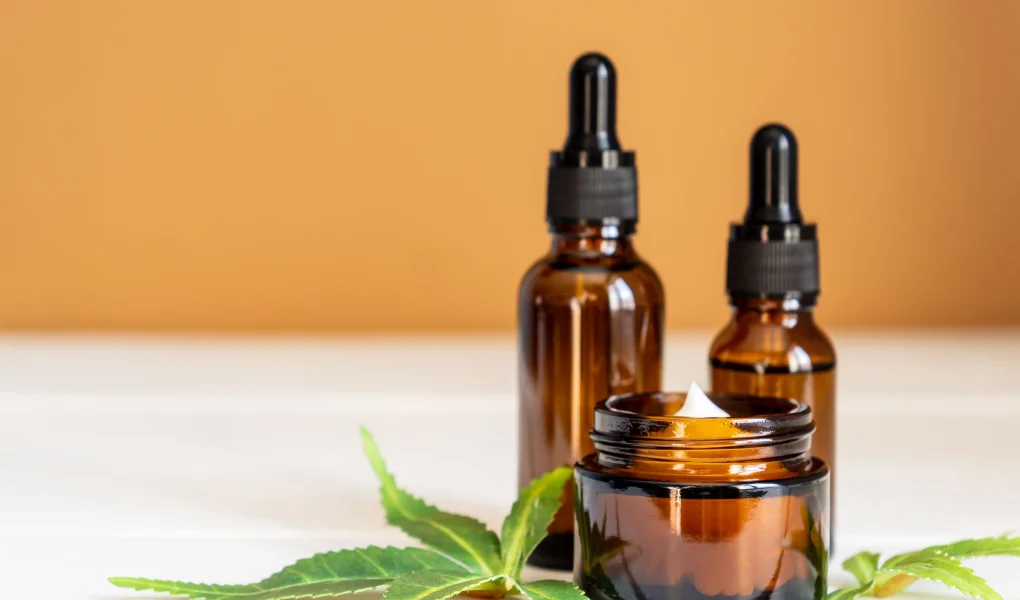
As CBD becomes increasingly popular for wellness, many newcomers find themselves confused by the terms full-spectrum and broad-spectrum CBD oil. Both are derived from hemp and offer potential health benefits, but they differ in composition and effects. Understanding these differences can help users make informed choices about which product best suits their needs.
What is Full-Spectrum CBD Oil?

Full-spectrum CBD oil contains all cannabinoids, terpenes, and beneficial compounds naturally found in the hemp plant. This includes trace amounts of THC (usually less than 0.3%), which is legally allowed but too low to produce a psychoactive effect.
The key idea behind full-spectrum CBD is the “entourage effect”. This theory suggests that the compounds in hemp work synergistically, enhancing each other’s effects. For example, the combination of CBD, minor cannabinoids, and terpenes may provide more comprehensive support for anxiety, pain relief, and inflammation compared to isolated CBD.
Common Benefits of Full-Spectrum CBD Oil
- Enhanced Effectiveness: Due to the entourage effect, many users report better results for pain and stress management.
- Natural Hemp Compounds: Retains naturally occurring compounds like flavonoids and terpenes, which may provide additional wellness benefits.
- Low THC Content: Contains trace amounts of THC that are generally non-psychoactive but may contribute to the overall effectiveness of the product.
Potential Considerations
- THC Presence: While minimal, THC may show up on drug tests, which could be a concern for certain individuals.
- Sensitivities: Some people may react to other cannabinoids or terpenes, though this is rare.
What is Broad-Spectrum CBD Oil?
Broad-spectrum CBD oil is similar to full-spectrum, but with one important difference: it contains no detectable THC. Manufacturers remove THC while keeping other cannabinoids, terpenes, and flavonoids intact.
Broad-spectrum CBD is ideal for those who want to experience some benefits of the entourage effect without the risk of THC exposure. It is also suitable for individuals who are sensitive to THC or need to pass routine drug screenings.
Common Benefits of Broad-Spectrum CBD Oil
- No THC: Safe for users concerned about THC showing up on drug tests.
- Retains Other Compounds: Includes beneficial cannabinoids and terpenes, so you can still experience some of the entourage effect.
- Well-Tolerated: Often recommended for first-time users or seniors who prefer a milder CBD experience.
Potential Considerations
- Slightly Less Effective for Some Users: Without THC, the entourage effect may be slightly diminished compared to full-spectrum.
- Variability: The quality and cannabinoid profile can vary between brands, so lab testing is essential.
Key Differences Between Full-Spectrum and Broad-Spectrum CBD Oil
| Feature | Full-Spectrum CBD | Broad-Spectrum CBD |
|---|---|---|
| THC Content | Contains trace (<0.3%) | None detectable |
| Entourage Effect | Strongest effect due to THC + other cannabinoids | Moderate effect without THC |
| Drug Test Risk | Possible due to THC | Unlikely due to absence of THC |
| Ideal For | Users seeking maximum benefits and aren’t concerned about THC | Users avoiding THC or drug test risks |
| Flavor & Aroma | Richer, natural hemp flavor | Slightly milder flavor |
Understanding these differences helps users choose the right product for wellness goals, lifestyle, and legal considerations.
Choosing the Right CBD Oil for You
Selecting between full-spectrum and broad-spectrum CBD oil depends on individual needs, health conditions, and personal preferences.
Consider Your Goals
- Pain Relief: Full-spectrum CBD may offer slightly enhanced pain and inflammation relief due to the entourage effect.
- Anxiety & Sleep: Both full-spectrum and broad-spectrum may help reduce stress and promote sleep, but full-spectrum could provide more noticeable results for some users.
- Daily Wellness: Broad-spectrum CBD is ideal for routine wellness support without THC exposure.
Check for Lab Testing
Regardless of type, always choose third-party lab-tested CBD oil. This ensures the product is free from contaminants and contains the advertised cannabinoid levels. Certificates of Analysis (COA) are a good indicator of transparency and quality.
Start Low and Adjust
For both full-spectrum and broad-spectrum CBD oils, starting with a low dose is key. Observe how your body responds before gradually increasing. This approach helps minimize side effects like dry mouth, drowsiness, or minor digestive discomfort.
Consult a Healthcare Professional
Especially for seniors or individuals taking prescription medications, consulting a healthcare provider is essential before introducing CBD. This prevents possible interactions and ensures safe use.
How to Use Full-Spectrum and Broad-Spectrum CBD Oil
Both types of CBD oil can be used in various ways:
- Sublingual Drops: Place under the tongue for faster absorption.
- Capsules: Convenient for precise dosing and on-the-go use.
- Edibles: Gummies or chocolates provide a tasty, slower-release option.
- Topicals: Creams or balms can target localized pain or inflammation.
Your choice depends on convenience, desired effects, and personal preference.
Read Also : CBD Oil vs. CBD Capsules: Which One Is Right for You?
Final Thoughts
Both full-spectrum and broad-spectrum CBD oil offer unique advantages. Full-spectrum may deliver stronger effects due to the presence of THC and other cannabinoids, while broad-spectrum provides the benefits of multiple hemp compounds without THC.
For beginners or those concerned about drug tests, broad-spectrum is a safe starting point. For users seeking the full entourage effect and maximum potential benefits, full-spectrum may be the better option.
Regardless of your choice, always prioritize quality, transparency, and consultation with healthcare professionals. With careful selection, CBD oil can be a valuable addition to your wellness routine, helping with stress management, sleep, pain, and overall health.